

Why is My Tree Dropping Leaves in May? All About Anthracnose
The scene can be shocking. In the midst of spring, right when your tree canopies should be getting lush, you notice leaves littering your lawn.
The problem? It could be anthracnose, a group of fungal diseases. While this seasonal dilemma is more of an annoyance than a serious issue, Premier Tree Solutions can provide suggestions on how to pinpoint anthracnose and stop it in its tracks.
What is Anthracnose?
The North Carolina State Extension explains how cool and rainy spring weather is the prime condition for anthracnose. The fungi endures and survives winter in places such as diseased buds, plant debris, fallen leaves, and twigs. Come spring time, they produce and release spores, and the wind and splashing rain allow the spores to spread to trees. If the chilly and wet weather continues, spores can form within the leaves of an infected tree and spread all over its canopy.
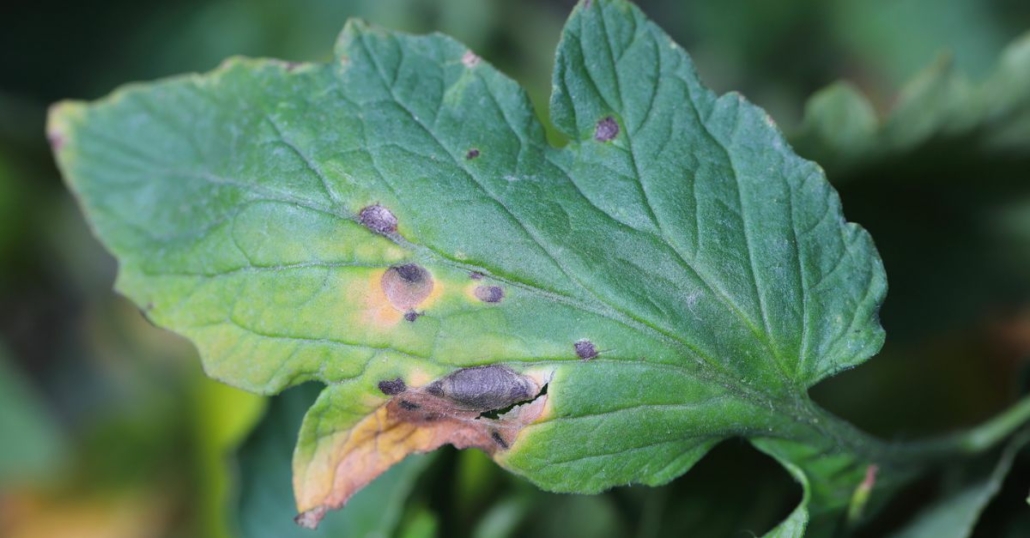
According to the University of Minnesota Extension, anthracnose can cause a variety of tree troubles, including premature leaf drop, dark spots on leaves, cupping or curling of leaves, and blisters or banding on young branches.
Can Anthracnose Kill My Tree?
Anthracnose symptoms may look dramatically nasty, but its bark is worse than its bite. The good news is anthracnose rarely causes serious damage or death to healthy, established trees. In fact, it’s usually a temporary problem heavy on unappealing aesthetics.
Since the spring weather helps drive the disease, a warm and dry summer calms the storm. Once mid-summer rolls around, trees typically push out a fresh, healthy flush of leaves.
How to Manage Anthracnose
While the problem can go away on its own, you can take steps to manage the issue and lessen the risk of it happening again.
Throughout the growing season, reduce stresses on trees by properly watering them. The University of Georgia Extension suggests making sure trees get the right amount of hydration, not too much or too little. Follow Premier Tree Solutions’ guide to watering trees. However, keep in mind that wet conditions can promote anthracnose, so redirect sprinklers that could potentially splash water on the tree’s leaves.
Make sure and rake up and destroy fallen leaves, which helps stop the fungus from surviving and invading trees the following spring.
Careful pruning can be helpful. First, make sure and remove any infected twigs. Strategic pruning improves light penetration and air circulation throughout the canopy. Thinning the foliage allows an increase in wind movement and lessens leaf moisture, which decreases the likelihood of anthracnose.
When to Get Professional Help with Anthracnose
While the problem often resolves on its own, it helps to get expert assistance. If a tree doesn’t refoliate or if an anthracnose infection takes place a few years in a row, you should definitely consult a professional. No matter what, it’s always best to play it safe when it comes to fungal diseases such as anthracnose. Call Premier Tree Solutions at 404-252-6448 or schedule a complimentary assessment online.