

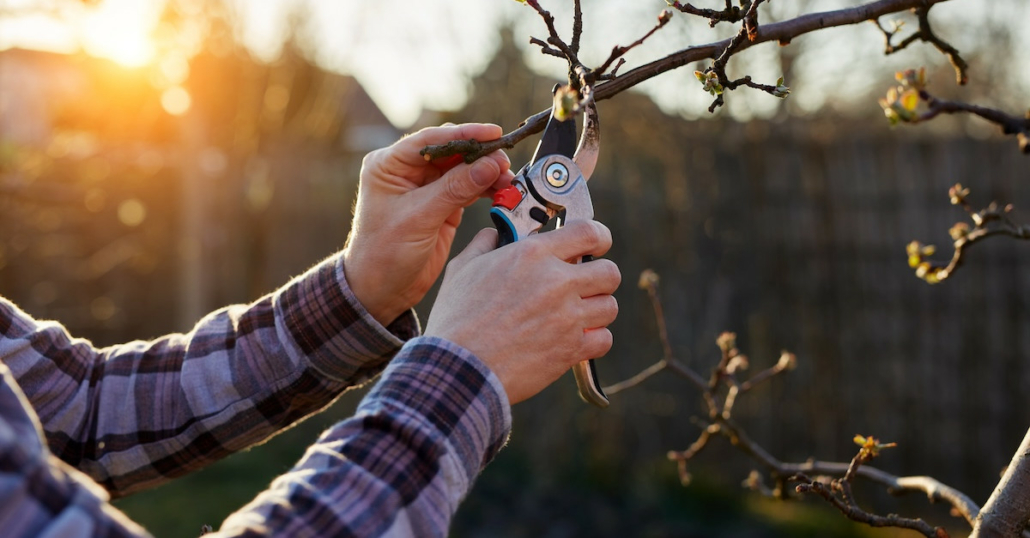
The Ultimate 2026 Pruning Calendar: When and How to Care for Your Trees
When pruning trees, timing matters. This is certainly the case in Georgia with our milder winters, early warm spells, and occasional freezes. Pruning at the wrong time can stress out trees. And who needs an ornery oak?
With that in mind, our expert tree professionals drew upon their knowledge, as well as data from the University of Georgia Extension, and put together a suggested tree pruning calendar for 2026. The goal: to help make sure you stay, ahem, a cut above.
Suggested Tree Pruning Calendar 2026
Late January-February: Early 2026 will be a good time for dormant pruning on many deciduous trees, those that shed their leaves seasonally. During dormancy, trees slow down their growth processes and stress levels are less risky. Late winter is a good time to prune fruit trees, especially temperate ones such as apple, peach, and pear. That’s when winter dormancy is wrapping up, and the risk of freeze injury won’t be as high.
Early to Mid-March: The sweet spot for renewal pruning of overgrown trees in north Georgia is early to mid-March. This type of pruning technique focuses on removing older, declining, unproductive wood in an effort to stimulate fresh growth while keeping the overall structure and health of the tree in good standing. It’s a method typically relevant for fruit and ornamental trees.
Early Summer: Trees that bleed lots of sap from pruning wounds include those of the shade and flowering variety. Think dogwood, maple, birch, elm, beech, willow, flowering cherry, and flowering plum. While these sap excretions aren’t harmful, they’re not necessarily aesthetically pleasing. The best way to keep sap bleeding to a minimum is hold back on pruning until after the leaves fully mature in the spring.
Late Fall/Early Winter: Skip pruning in the late fall and early winter. It can confuse a tree and slow down its dormancy process. During the fall, trees pull energy into their roots for the winter, and pruning can cause trees to redirect that energy toward healing or growth. Any new growth in the fall won’t have time to harden before the frost of winter. This puts a tree at risk of cold damage. However, there are some exceptions in terms of fall pruning. If limbs are damaged, diseased, or dead, they should be removed as soon as possible. The same goes for any branches that are hazardous and pose a safety risk. Check out Premier Tree Solutions’s fall pruning blog for more information.
Pruning Tips
To properly prune, you can’t simply go wild with your shears and snip with complete abandon. Technique and safety are paramount. Consider the following basic suggestions from Premier Tree Solutions:
- Remember to cut just outside the branch collar. The branch collar is the swollen, ring-like area at the base of a tree’s branch where it joins the trunk or a bigger branch. This technique helps keep both the natural structure and healing mechanism of the tree intact.
- Make slants when cutting. Slanted cuts stop water from collecting in the wound. Additionally, it assists in speeding up the healing process.
- Use the right tools for the job. Depending on the type of project, consider tools such as pruning shears, lopping shears, hand saws, pole saws, or small chainsaws. Before investing in tools and going to work, research the appropriate tool for the task at hand. And don’t forget to keep tools clean and sharp, which only enhances their performance.
Call a Premier Tree Solutions for Your Pruning Needs
Premier Tree Solutions experts are just a call away and can provide personalized service for your specific pruning needs. We offer pruning services, including hand pruning. Our experts can assess the situation and prune your trees at just the right time. If you have questions regarding tree pruning, call Premier Tree at 404-252-6448 or schedule a complimentary assessment online.