

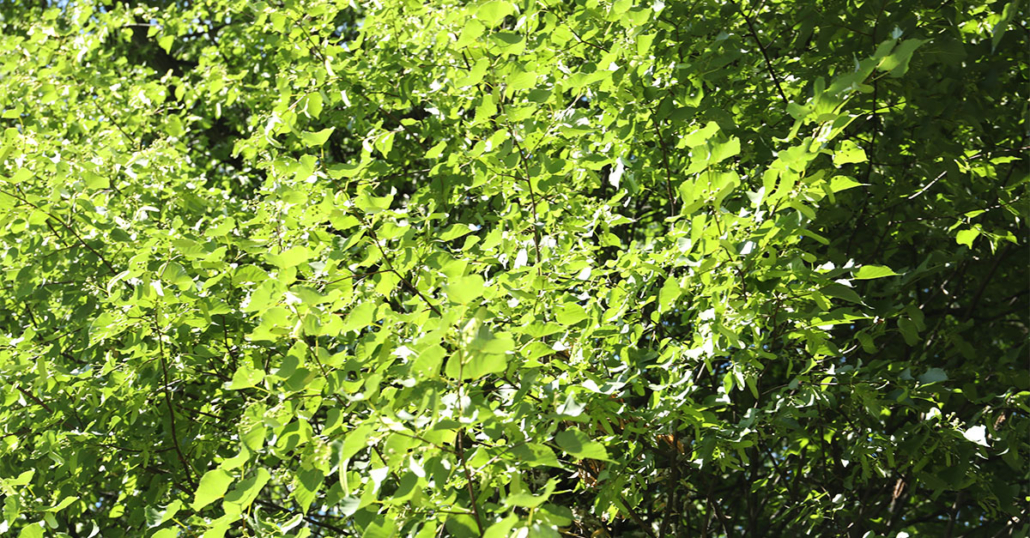
Managing Invasive Kudzu and Chinese Tallow
Invasive flora can be like a mixed martial artist with an overwhelming move. If it gets a prominent grasp on your property, your vegetation might just tap out in submission.
Both kudzu and Chinese tallow, two common culprits, have the ability to smother native trees and block sunlight. With their deep root systems and lightning fast growth rates, they easily deflect knee-jerk tactics such as simple mowing or surface cutting.
Premier Tree Solutions has a handful of tips to help keep these opponents at bay.
Ways to Combat Kudzu
Kudzu may be the Southeast’s reigning champ in the invasive plant category. This climbing vine is known to cover landscapes and just about anything in its path, and it can grow as much as one foot per day. Simply pruning or trimming kudzu won’t provide a long-term solution. Repeated cutting and mowing can work, but it can take years and require weekly maintenance each summer.
To stop new kudzu growth, the Alabama A&M and Auburn Universities Extension advises cutting just below the bulbous root crown, which stores energy and can be found right beneath the surface of the soil. This works well, because kudzu is unable to regrow below the root crown and doesn’t sprout from lateral roots.
Larger areas can call for mechanical removal and tactical herbicide application. The UGA Extension (Towns/Union County) suggests chemical control. Chemical products with active ingredients glyphosate or triclopyr can control kudzu, either as a spray or after cutting back the vines. For the latter, cut the plant two inches above the ground and then soak the remaining base of the vines with the herbicide. Carefully read the herbicide instructions before using.
Wrestling with Chinese Tallow
A Chinese tallow may look like just a small to medium-sized ornamental tree, but it can lay the smack down with its aggressive growth. Similar to the case with kudzu, eradicating Chinese tallow can be tricky. The Alabama A&M and Auburn Universities Extension explains that while practices such as physical removal and mowing are common, they can worsen the problem. It can trigger stump and lateral root sprouting, which can result in dense thickets. If a Chinese tallow isn’t thoroughly removed, its leftover roots will eventually grow more trees.
The Clemson Cooperative Extension credits chemical management as a reliable way to control Chinese tallow. Herbicides such as triclopyr, glyphosate, and imazapyr work well. They can be used in tandem with methods such as cutting down the tree and treating the stump; cutting a wedge in the tree and treating that spot; or spraying herbicide directly on the leaves.
Let Premier Tree Solutions Be Your Muscle
When you step into the figurative ring and take on invasive trees and vines, timing, persistence, and the combination punch of chemical and mechanical tactics are everything. However, you can skip the DIY method entirely and utilize an expert like Premier Tree Solutions to do the job.
Premier Tree Solutions can help you take care of any kudzu or Chinese tallow-related problems. Call 404-252-6448 or schedule a complimentary assessment online.
Q&A Recap
What Is the Most Effective Way to Eliminate Kudzu Permanently?
The most effective way to stop new kudzu growth is to cut the vine just below its bulbous root crown. For larger infestations, combine mechanical cutting with systemic herbicides containing glyphosate or triclopyr.
Why Shouldn’t You Just Chop Down a Chinese Tallow Tree?
Chopping or mowing a Chinese tallow tree without treating it with herbicide triggers aggressive root and stump sprouting. It can cause the leftover lateral root system to produce dense thickets of new trees, making the infestation worse.
What Herbicides Kill Kudzu and Chinese Tallow?
- Kudzu: Herbicides with active ingredients glyphosate or triclopyr applied as a foliage spray or directly to freshly cut vines.
- Chinese tallow: Herbicides containing triclopyr, glyphosate, or imazapyr applied via cut-stump, wedge treatments, or direct spraying.